What Is Reiki?
Reiki is a gentle, non-invasive healing practice that works with the subtle energy flowing through and around all living things. The word itself offers a window into its essence: Rei translates roughly as "universal" or "spiritual wisdom," while Ki means "life force energy" — the same concept known as prana in yoga, chi in Chinese medicine, and mana in Hawaiian tradition. Together, Reiki can be understood as "spiritually guided life force energy."
At its core, Reiki is based on the principle that an unseen energy flows through us and is what keeps us alive. When this energy is low or blocked, we are more likely to feel stressed, fatigued, or unwell. When it flows freely and is abundant, we tend to feel balanced, healthy, and capable of navigating life with greater ease. A Reiki practitioner serves as a channel for this universal energy, directing it through their hands to support the recipient's natural healing processes.
Reiki is not about belief or faith. It is simply about being open to receiving. The energy flows where it is needed most, guided by a wisdom that goes beyond the conscious mind.
Unlike many therapeutic modalities, Reiki requires no special equipment, no medication, and no physical manipulation. The recipient remains fully clothed, and the practitioner's touch is feather-light or may not involve physical contact at all. This simplicity is part of its beauty — and part of the reason it has found a place in hospitals, hospices, and wellness centers around the world.
The History of Reiki
Mikao Usui and the Origins in Japan
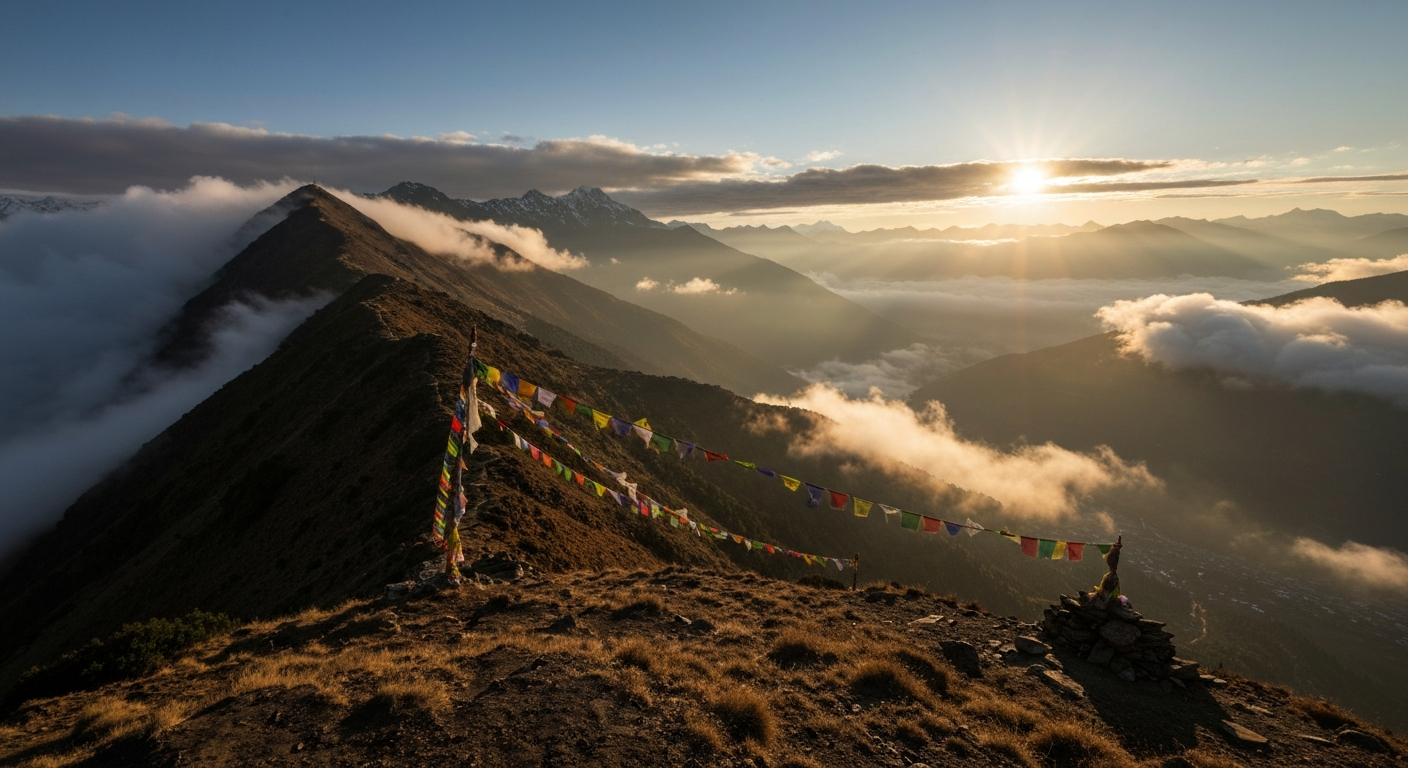
The story of Reiki as we know it today begins with Mikao Usui (1865–1926), a Japanese Buddhist scholar, teacher, and spiritual seeker. Usui spent years studying ancient texts, meditation practices, and healing traditions from Japan, China, and India. According to the most widely accepted account, in March 1922 he undertook a 21-day meditation and fasting retreat on Mount Kurama, a sacred mountain north of Kyoto.
During this period of deep contemplation and spiritual discipline, Usui experienced a profound awakening — a moment of enlightenment in which he received the ability to heal through the channeling of universal energy. He described this as a sudden rush of energy entering through the crown of his head, filling him with awareness, light, and the power to heal without depleting his own vitality.
Following this experience, Usui founded the Usui Reiki Ryoho Gakkai (Usui Reiki Healing Method Society) in Tokyo in April 1922. He developed a structured system for practicing and teaching Reiki, including specific hand positions, symbols, and the attunement process that allows students to channel the energy themselves. He also established the five Reiki principles that remain central to the practice today.
Usui is reported to have trained over 2,000 students in his lifetime, with approximately 20 reaching the teacher (Shinpiden) level. His work gained public attention when he offered free Reiki treatments following the devastating Great Kanto Earthquake of 1923, which killed over 100,000 people and left Tokyo in ruins.
The Journey to the West
One of Usui's most notable students was Chujiro Hayashi, a retired naval officer who became a Reiki Master in 1925. Hayashi refined the system further, establishing a dedicated Reiki clinic in Tokyo and developing more standardized hand positions for treating specific conditions. He kept detailed records of treatments and outcomes, lending a more clinical and systematic approach to the practice.
The pivotal figure in bringing Reiki to the Western world was Hawayo Takata (1900–1980), a Japanese-American woman born in Hawaii. In the 1930s, suffering from serious health problems, Takata traveled to Japan for treatment. She discovered Hayashi's clinic and, after experiencing remarkable improvement through Reiki sessions, decided to learn the practice herself.
Takata studied under Hayashi, eventually becoming a Reiki Master. She returned to Hawaii in 1937 and began teaching and practicing Reiki throughout the United States and Canada. Before her passing in 1980, she trained 22 Reiki Masters, each of whom went on to teach others. Through these lineages, Reiki spread across the globe, evolving into various schools and styles while maintaining its core principles.
Today, millions of people in over 100 countries practice Reiki. It is offered in major hospitals including the Cleveland Clinic, Johns Hopkins, and numerous NHS trusts in the United Kingdom — a testament to its growing acceptance alongside conventional medicine.
How Does Reiki Work?
Energy Channels and Chakras
Reiki operates on the understanding that the human body is not merely a physical structure but also an energetic one. Just as blood flows through veins and arteries, life force energy flows through pathways known in various traditions as nadis (in yoga), meridians (in Chinese medicine), or simply energy channels. When these pathways become blocked or constricted — through stress, trauma, illness, or emotional disturbance — the energy cannot flow freely, which may manifest as physical discomfort, emotional distress, or a general sense of being "off."
In the Reiki framework, the body has seven primary chakras (energy centers) aligned along the spine, from the base to the crown of the head. Each chakra corresponds to specific physical, emotional, and spiritual aspects of our being. Reiki practitioners work to clear blockages and restore balance in these centers, allowing energy to flow naturally once more.
The Laying On of Hands
During a Reiki treatment, the practitioner places their hands gently on or slightly above specific areas of the recipient's body. They typically follow a sequence of hand positions, starting at the head and moving down through the body, spending several minutes at each position. The practitioner does not direct the energy with their own intention so much as allow it to flow through them — the energy itself is understood to have an innate intelligence that guides it to wherever healing is most needed.
Many practitioners describe the sensation of channeling Reiki as a warmth or tingling in their palms. Recipients often report similar sensations — heat, gentle pulsing, or a deep sense of relaxation — though experiences vary widely from person to person and session to session.
Distance Healing
One of the more remarkable aspects of Reiki, particularly at the second level and above, is the practice of distance healing — sending Reiki energy to someone who is not physically present. This practice is rooted in the understanding that energy is not bound by time or space. Using specific symbols and focused intention, a practitioner can direct healing energy to a person in another city, country, or even to past or future events.
While this may sound unusual to those unfamiliar with energy work, distance healing has a long history in many spiritual traditions. Modern quantum physics, with its demonstrations of non-locality and entanglement, provides an intriguing (though not yet definitive) scientific framework for understanding how such phenomena might operate.
The Five Reiki Principles
Mikao Usui understood that true healing extends far beyond the physical body. He established five principles — sometimes called precepts or ideals — as guidelines for living a balanced, compassionate, and mindful life. These principles are meant to be recited and reflected upon daily, serving as a foundation not just for Reiki practice but for personal growth and inner peace.
The Five Reiki Principles
Just for today, I will not worry.
Just for today, I will not be angry.
Just for today, I will be grateful.
Just for today, I will do my work honestly.
Just for today, I will be kind to every living thing.
The phrase "just for today" is deliberate and powerful. Rather than demanding permanent transformation, it invites us to focus on the present moment — to commit to these ideals one day at a time. This approach mirrors the mindfulness teachings found in Buddhism and, indeed, in yoga philosophy. It acknowledges that we are human, that we will sometimes falter, and that each new day offers a fresh opportunity to begin again.
These principles are not rules to be rigidly enforced but gentle reminders to cultivate awareness. Worry pulls us into the future; anger often ties us to the past. Gratitude, honest effort, and compassion anchor us in the present — the only place where real healing and real living can take place.
What Happens During a Reiki Session?
Before the Session
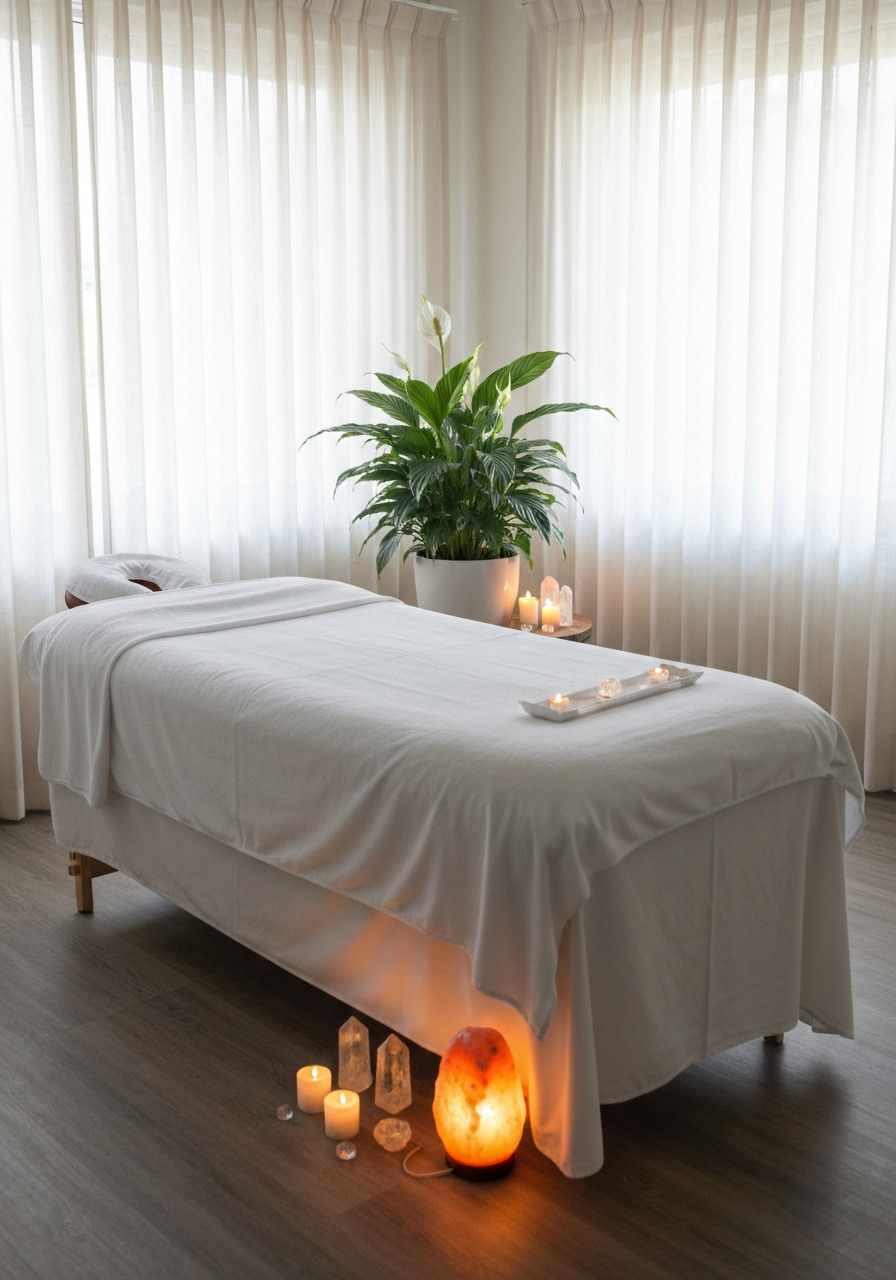
A Reiki session typically begins with a brief conversation. The practitioner will ask about your general health, any specific areas of concern, and what you hope to gain from the session. There is no need to disrobe — you remain fully clothed throughout. You will be asked to remove your shoes and any bulky jewelry, then lie comfortably on a massage table or sit in a chair, depending on your preference and the setting.
During the Session
The practitioner will begin placing their hands in a series of positions on or above your body. Sessions typically last between 45 and 90 minutes, though shorter sessions of 20 to 30 minutes are also common, especially in clinical settings. The room is usually quiet, sometimes with soft music or nature sounds, and the lighting is gentle.
What you experience during a session is highly individual. Common sensations include:
- Warmth or heat — a gentle, radiating warmth from the practitioner's hands or within your own body
- Tingling or pulsing — subtle vibrations or a sense of energy moving
- Deep relaxation — many people enter a state similar to the space between waking and sleeping
- Emotional release — tears, laughter, or a flood of memories may arise as blocked energy is released
- Colors or images — some people see soft colors or patterns behind their closed eyes
- Nothing noticeable — and that is perfectly fine. The absence of dramatic sensation does not mean the energy is not flowing
After the Session
Most people feel deeply relaxed and peaceful after a Reiki session. Some feel energized, while others feel a pleasant drowsiness. Your practitioner may suggest drinking extra water, resting, and paying attention to any thoughts or feelings that arise in the following days. It is not uncommon to experience mild detox-like symptoms — fatigue, heightened emotions, or vivid dreams — as the body continues to process and integrate the energy. These typically pass within a day or two.
Benefits of Reiki
Reiki is increasingly recognized for its ability to support wellbeing on multiple levels. While scientific research into Reiki is still evolving, a growing body of studies and extensive anecdotal evidence point to several consistent benefits.
Deep Relaxation and Stress Reduction
Perhaps the most universally reported benefit of Reiki is a profound state of relaxation. By activating the parasympathetic nervous system — the body's "rest and digest" mode — Reiki helps counteract the chronic stress that underlies so many modern health concerns. A 2019 study published in the Journal of Evidence-Based Integrative Medicine found that a single Reiki session produced statistically significant improvements in measures of anxiety, depression, pain, and overall wellbeing.
Emotional Healing and Balance
Reiki works with the whole person, not just the physical body. Many recipients report shifts in emotional patterns — old grief finding resolution, anxiety softening, a renewed sense of self-compassion. By releasing energetic blockages that may be connected to unprocessed emotions, Reiki creates space for emotional clarity and resilience.
Pain Management
Several clinical studies have explored Reiki's potential as a complementary approach to pain management. Research conducted at Hartford Hospital in Connecticut found that Reiki improved patient comfort by 92%, reduced pain levels by 78%, and decreased nausea by 80% among post-surgical patients. While these results are promising, researchers continue to investigate the mechanisms at work.
Support During Medical Treatment
Reiki is increasingly used alongside conventional medical care. Cancer centers, in particular, have embraced Reiki as a supportive therapy, with patients reporting reduced anxiety before procedures, better tolerance of chemotherapy side effects, and an improved overall sense of control and calm during their treatment journey.
Reiki does not claim to cure disease. It supports the body's innate capacity for healing by promoting deep relaxation, reducing stress, and restoring energetic balance — creating conditions in which healing can more readily occur.
Improved Sleep
The deep relaxation induced by Reiki often translates into better sleep quality. Many people report falling asleep more easily, sleeping more deeply, and waking feeling more refreshed after beginning regular Reiki sessions. For those dealing with insomnia or disrupted sleep patterns, Reiki offers a gentle, non-pharmacological option worth exploring.
Enhanced Self-Awareness
Regular Reiki practice — whether receiving treatments or practicing self-Reiki — tends to deepen one's connection to the inner self. Many practitioners report heightened intuition, greater clarity in decision-making, and an increased awareness of the subtle signals the body sends about what it needs to stay in balance.
The Three Levels of Reiki
The traditional Usui system of Reiki is taught in three progressive levels, each building upon the last and deepening the practitioner's connection to the energy.
Level 1: Shoden (The Awakening)
The first level, often called the "first degree," focuses on self-healing. During the Level 1 attunement — a ceremonial process in which a Reiki Master opens and aligns the student's energy channels — the student gains the ability to channel Reiki energy through their hands. Training covers the history and principles of Reiki, basic hand positions, and how to give Reiki to oneself and to others through direct touch.
Level 1 is a foundation. Students are typically encouraged to practice self-Reiki daily for a period of weeks or months before progressing, allowing the energy to settle and integrate into their being. Many people find that this level alone transforms their relationship with their own body and emotions.
Level 2: Okuden (The Deepening)
The second level introduces the practitioner to three sacred Reiki symbols, each serving a specific purpose: one amplifies the power of the energy, another enables mental and emotional healing, and the third makes distance healing possible. With these tools, the practitioner can send Reiki across space and time, treating people who are not physically present.
Level 2 significantly increases the strength of the energy the practitioner can channel. It also deepens their intuitive abilities and expands the scope of their practice to include working professionally with others.
Level 3: Shinpiden (The Master Level)
The Master level represents the highest degree of Reiki training. It is divided in some traditions into two stages: Master Practitioner (personal mastery) and Master Teacher (the ability to attune and teach others). At this level, the practitioner receives the Master symbol, which further amplifies their connection to the universal energy and deepens their spiritual development.
Becoming a Reiki Master is not about achieving superiority or perfection. It is a commitment to ongoing personal growth, to living the Reiki principles as fully as possible, and — for those who choose to teach — to passing on this healing art with integrity and care.
Reiki and Yoga
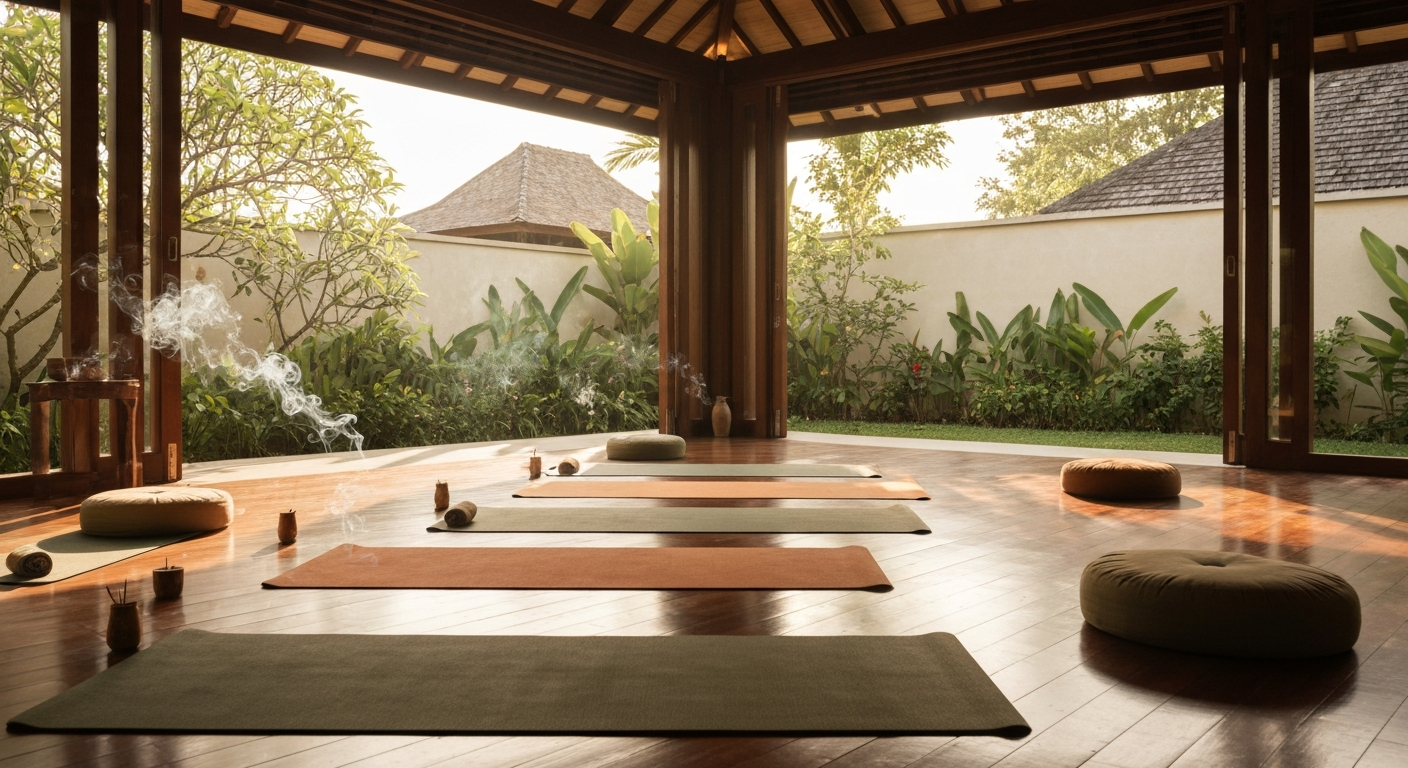
Reiki and yoga are natural companions. Both traditions work with the concept of life force energy — Ki in Reiki, prana in yoga — and both seek to remove blockages that prevent this energy from flowing freely through the body. Where yoga uses movement, postures, and breath to open the energy channels (nadis), Reiki works directly with the energy itself through the practitioner's hands and intention.
Practicing both Reiki and yoga creates a powerful synergy. Yoga prepares the body — stretching, strengthening, and opening the physical structure — making it a more receptive vessel for energy work. Reiki, in turn, can help release deep-seated energetic blockages that physical practice alone may not reach, clearing the way for deeper and more easeful yoga practice.
Many yoga practitioners find that adding Reiki to their routine deepens their meditation practice, enhances their body awareness during asanas, and supports the emotional processing that often surfaces during intensive yoga work. Teachers who are also Reiki practitioners may integrate energy work into savasana (final relaxation), offering students a profoundly restorative close to their practice.
Where yoga opens the body and stills the mind, Reiki reaches into the energetic layers beneath — the two practices together address the whole human being: body, breath, mind, and spirit.
Reiki and Breathwork
The connection between Reiki and breathwork runs deep. In nearly every healing tradition on earth, breath is understood as a carrier of life force energy. The Sanskrit word prana means both "breath" and "life energy." The Japanese word Ki has the same dual meaning. When we breathe consciously and fully, we are not merely taking in oxygen — we are drawing in vital energy that nourishes every cell, every organ, every layer of our being.
Reiki practitioners often use focused breathing techniques during treatments, both to center themselves and to enhance the flow of energy. Deep, rhythmic breathing activates the parasympathetic nervous system, slowing the heart rate and calming the mind — creating an ideal internal environment for healing energy to flow.
For those who practice pranayama or other breathwork techniques, Reiki can amplify the benefits. The energy channels opened through breath practices become clearer conduits for Reiki energy, while Reiki helps release the deep tension patterns that may restrict full, natural breathing. Together, they create a virtuous cycle of ever-deepening relaxation, awareness, and vitality.
An Important Note on Reiki and Medical Care
Reiki is a complementary practice, not an alternative to conventional medical treatment. Responsible Reiki practitioners will always encourage clients to maintain their relationship with their healthcare providers and to follow prescribed medical treatments. Reiki does not diagnose, treat, or cure disease in the medical sense.
What Reiki offers is support — a way to reduce stress, promote relaxation, and create conditions that may help the body's own healing mechanisms function more effectively. It works beautifully alongside medical care, therapy, and other wellness practices. Many doctors and nurses have themselves trained in Reiki, recognizing its value as a low-risk, patient-centered complement to the care they already provide.
If you are drawn to Reiki, approach it with an open mind and realistic expectations. Let it be one thread in the rich tapestry of practices and choices that support your overall health and wellbeing. And always, when it comes to medical concerns, consult a qualified healthcare professional.